
Some companies are using dialers built on technology that can’t detect if calls are being answered by a human or an answering machine. This could mean that you are throwing money away. How much money? Keep reading!
An outbound dialer supporting Answering Machine Detection can automatically identify which calls have been answered by a human, and which calls have been answered by a machine, i.e. a voicemail, a fax machine, or an IVR. In order to do this, the dialer must analyze the audio stream in real time, as soon as the call is connected, and identify patterns that match a specific profile. By doing this, the dialer can rule out calls answered by a machine, and only transfer calls connected to a real person to agents.
It is impossible to determine, with any great degree of certainty, how much time agents are wasting due to the dialer sending them calls connected to an answering machine. However, we can do an exercise to exemplify this with some numbers.
Let's assume the following conditions:
In this scenario, let’s suppose that an agent will deal with 300 calls per day:
In a small call center having just 10 agents, you will be wasting 260 minutes per day on agent’s time. That’s more than 4 hours, and around 7% of your agent’s productivity.
The price you pay for each agent varies a lot depending on the call center location. In the United States, the average salary for a telemarketing agent is $33.55 per hour. Considering the numbers from the example above, this would mean that you’re losing more than $135 per day in such a small call center. That’s more than $3.000 per month!
When you use SIP Caller to initiate the calls to your customers, we automatically detect if the answering endpoint is an answering machine, discarding these calls, and transferring to your agents only calls connected to a real person. Your agents will deal with live people in every call, dramatically increasing their productivity, and reducing your overall costs.
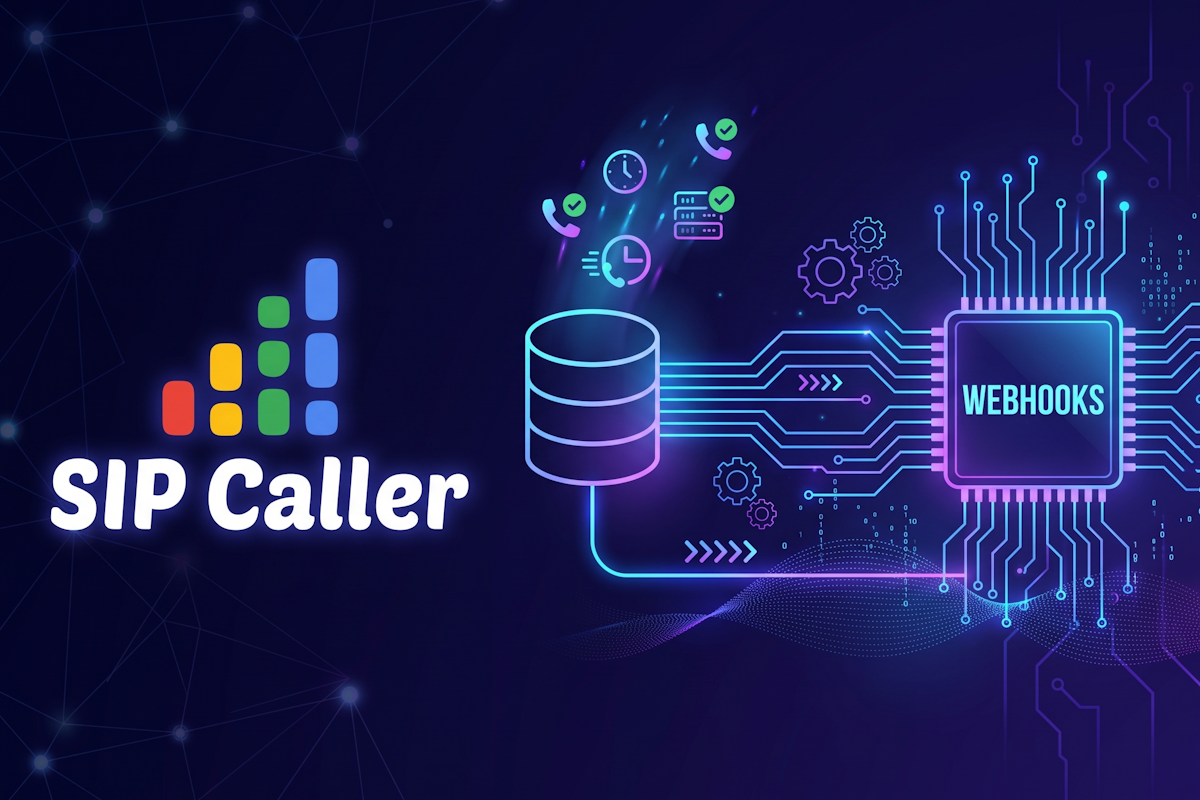
The second part of our integration series closes the loop. A small Python web service receives the Call Ended webhook that SIP Caller sends after every call, verifies its signature, works out whether the patient confirmed, asked to reschedule, or couldn't be reached, and saves the result back to the same database table. We also show how to run it as a service, expose it over HTTPS, and put the results to work.
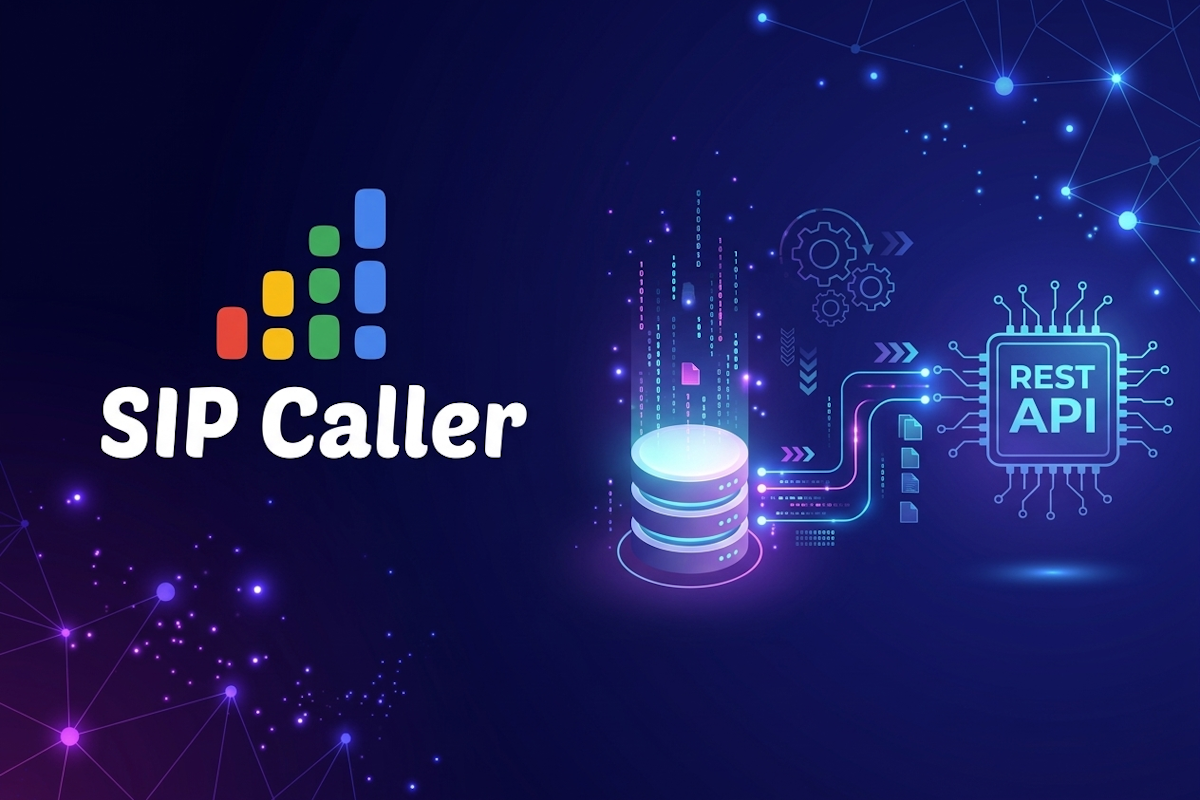
A step-by-step example of connecting SIP Caller with an external database. A short Python script reads tomorrow's appointments from a PostgreSQL table, creates a campaign from a template, loads the numbers with personalized variable values, and activates it through the REST API. A cron job then runs it every day, so your campaigns are fed without any manual work.
Manual dialing has a real cost, even if it never shows up as a single line item: wasted dialing time, wrong numbers, follow-ups that fall through the cracks, and the opportunities lost in between. We break down each of these cost drivers and walk through ROI calculation examples to show what automated dialing can actually save your team.