In today’s fast-paced world, making automated calls sound human and approachable can be a game-changer. That’s where SSML (Speech Synthesis Markup Language) comes in. With SIP Caller’s Text-to-Speech feature supporting SSML, you can customize every interaction, ensuring each call delivers the right message in the most natural tone possible.
Here’s why adding SSML to your Text-to-Speech prompts is a powerful enhancement and how it can improve customer experiences.
SSML gives you control over various aspects of speech synthesis, from pace and tone to pronunciation and pauses. This means you can now:
To illustrate, imagine a prompt where you want to confirm a delivery time and emphasize a key instruction:
<speak>
    Your delivery is scheduled for <say-as interpret-as="date">November 10th</say-as>. Please <emphasis level="strong">ensure someone is available</emphasis> to receive the package.
</speak>
With SSML, you can make the date clear and the instructions memorable, giving customers the information they need in a friendly, conversational tone.
Ready to explore SSML for your prompts? We’ve put together a detailed SSML Documentation page to help you get started. It includes all the essential SSML commands you need to adjust pronunciation, add pauses, emphasize words, and more.
With just a few adjustments to your prompts, you can create a smoother, more effective calling experience that sounds human and resonates with your audience. Whether it’s for customer support, sales follow-ups, or appointment reminders, SSML can make every interaction count.
By integrating SSML into your voice prompts, SIP Caller helps you transform simple calls into meaningful interactions. Start using SSML today and let your voice truly represent your brand.
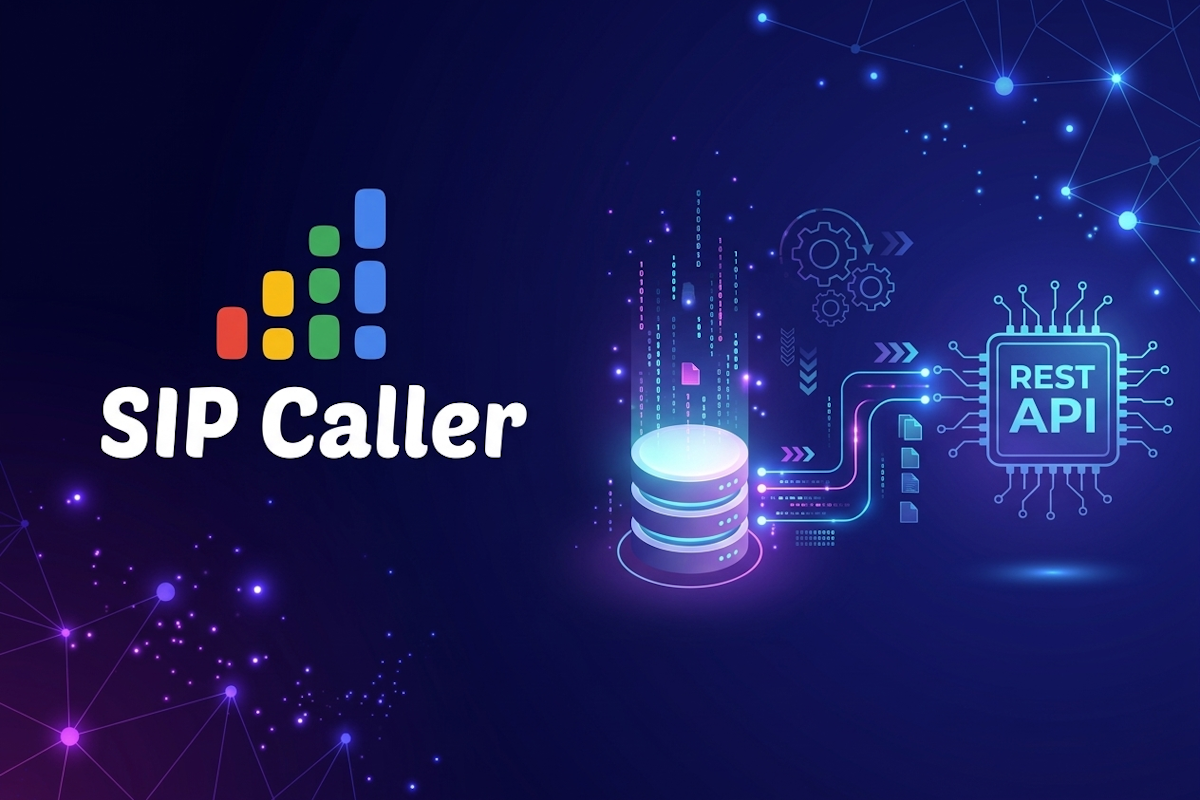
A step-by-step example of connecting SIP Caller with an external database. A short Python script reads tomorrow's appointments from a PostgreSQL table, creates a campaign from a template, loads the numbers with personalized variable values, and activates it through the REST API. A cron job then runs it every day, so your campaigns are fed without any manual work.

Manual dialing has a real cost, even if it never shows up as a single line item: wasted dialing time, wrong numbers, follow-ups that fall through the cracks, and the opportunities lost in between. We break down each of these cost drivers and walk through ROI calculation examples to show what automated dialing can actually save your team.

Government agencies are under constant pressure to communicate quickly, clearly, and efficiently with large populations. Whether it’s notifying citizens about road closures, coordinating emergency responses, reminding residents about appointments, or improving tax collection efforts, timely communication is critical. Traditional communication methods such as manual phone calls or printed notices are often too slow and resource-intensive. This is why many public organizations are adopting automated outbound dialing solutions like SIP Caller to streamline citizen outreach and improve response times. In this article, we explore how government agencies can use predictive and power dialers to improve public communication and citizen engagement.