Cold calls are very often considered intrusive, and prospects are many times reluctant to answer them. But there are a few things we can keep in mind when planning our campaigns, that will certainly raise the connection rate.
The first contact with a prospect should be planned very carefully. You never get a second chance at a first impression. The time of the day in which you make the call can significantly impact the call connection rate. According to studies, cold calls are more likely to be answered during Wednesdays and Thrusdays, just before lunch, or just before the end of the working day.
As a consequence, it is recommended that you split your campaigns, running first contact calls in specific time frames, and follow up calls during the rest of the week.
Some people are more comfortable with cold calls than others. Usually, older people enjoy phone calls, even from people they don’t know. Professional workers are usually comfortable receiving calls. And prospects with a high position in the organization are not afraid of taking calls, and when they can’t answer the phone, usually their assistant will, so you’re very likely to get someone on the line.
Selecting the right contacts to call can raise the call connection rate, leaving other types of prospects for other channels of communication, like an email, social media, etc.
Cold calls should be immediately connected to a live agent. Playing a prompt and keeping the prospect waiting will definitely drop your conversion rate. SIP Caller can be configured to immediately transfer the call to a live agent as soon as it detects a human answer on the other side of the line. Ensure that you do this, and be prepared to close the deal in 5 to 10 minutes, that’s the time you statistically have for the job.
SIP Caller can automatically detect if a human answers the call, by listening to the audio and measuring the salutation length. Usually an answering machine has a long prompt, inviting you to leave a message, while a live person will just say “Hello”. Considering this, when running an outbound call campaign SIP Caller can automatically drop calls answered by an answering machine, and only transfer calls to live agents when real people are on the other side of the line. This significantly improves your agent’s productivity.
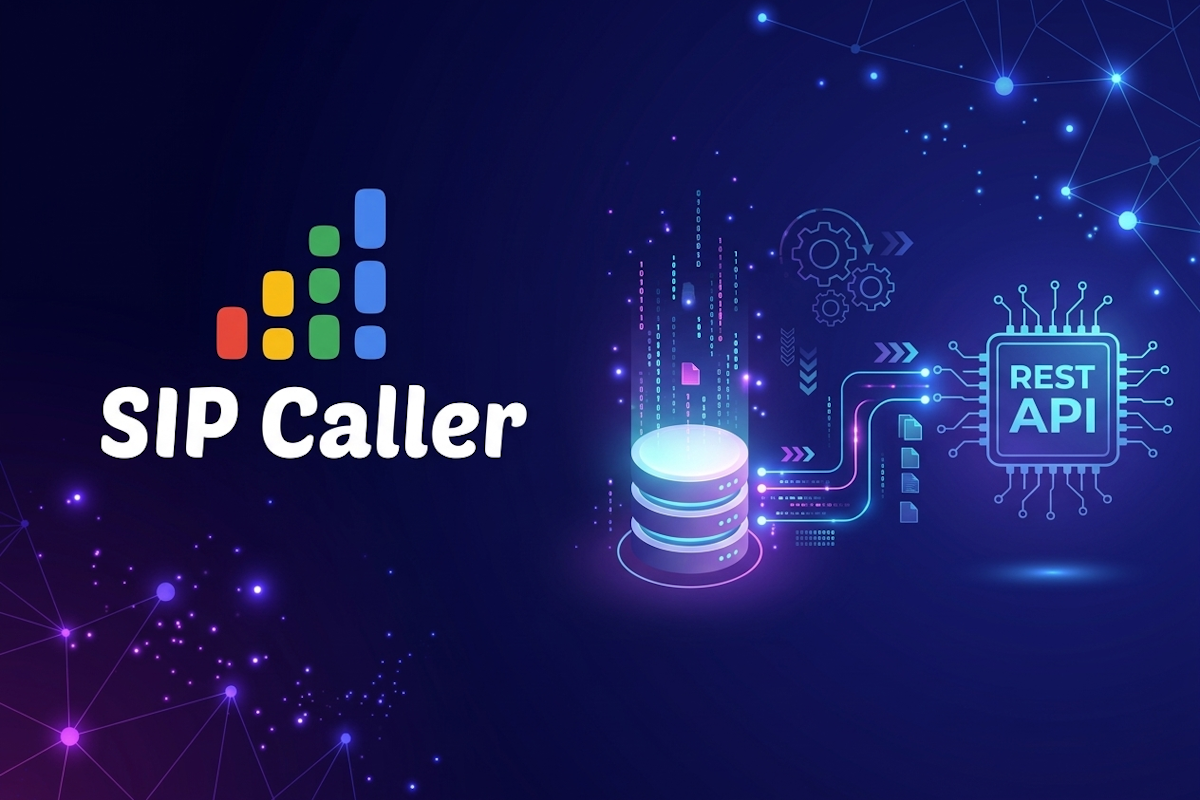
A step-by-step example of connecting SIP Caller with an external database. A short Python script reads tomorrow's appointments from a PostgreSQL table, creates a campaign from a template, loads the numbers with personalized variable values, and activates it through the REST API. A cron job then runs it every day, so your campaigns are fed without any manual work.
Manual dialing has a real cost, even if it never shows up as a single line item: wasted dialing time, wrong numbers, follow-ups that fall through the cracks, and the opportunities lost in between. We break down each of these cost drivers and walk through ROI calculation examples to show what automated dialing can actually save your team.

Government agencies are under constant pressure to communicate quickly, clearly, and efficiently with large populations. Whether it’s notifying citizens about road closures, coordinating emergency responses, reminding residents about appointments, or improving tax collection efforts, timely communication is critical. Traditional communication methods such as manual phone calls or printed notices are often too slow and resource-intensive. This is why many public organizations are adopting automated outbound dialing solutions like SIP Caller to streamline citizen outreach and improve response times. In this article, we explore how government agencies can use predictive and power dialers to improve public communication and citizen engagement.