Are you ready to launch your first outbound call campaign but feeling overwhelmed by the process? Fear not! With SIP Caller, our cloud-based dialer solution, setting up your first campaign is easier than ever. In this guide, we'll walk you through some essential tips to simplify the creation of your first campaign, ensuring a smooth and successful experience.
Begin by creating a campaign with just a few numbers for testing purposes. This allows you to familiarize yourself with the platform's interface and features without being inundated with a large volume of calls. Choose a handful of contacts to include in your initial campaign, ensuring that they are representative of your target audience.
To ensure that your messages are being properly played and received, include your own phone number as one of the contacts in the campaign. By doing so, you can listen firsthand to the messages being delivered and verify that everything sounds as intended. This step also provides an opportunity to gauge the quality of the audio and make any necessary adjustments before launching the campaign to a larger audience.
After launching your campaign, be sure to regularly check the reports provided by SIP Caller. These reports offer valuable insights into the performance of your campaign, including metrics such as call completion rates, response rates, and DTMF inputs. By reviewing these reports, you can confirm that the results align with your expectations and make any necessary tweaks to optimize future campaigns.
By following these simple tips, you can streamline the process of creating your first outbound call campaign with SIP Caller. Whether you're reaching out to customers, conducting surveys, or delivering important announcements, our platform makes it easy to connect with your audience effectively. Ready to get started? Sign up for SIP Caller today and revolutionize the way you engage with your contacts!
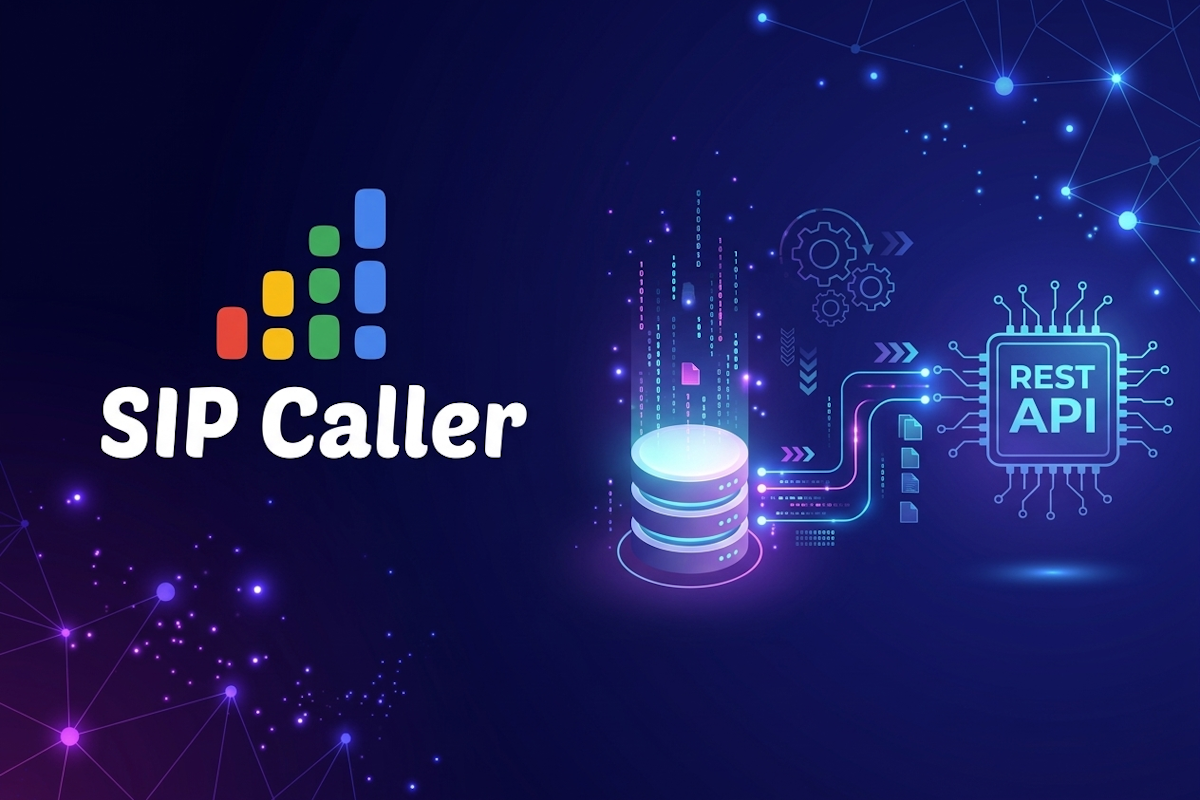
A step-by-step example of connecting SIP Caller with an external database. A short Python script reads tomorrow's appointments from a PostgreSQL table, creates a campaign from a template, loads the numbers with personalized variable values, and activates it through the REST API. A cron job then runs it every day, so your campaigns are fed without any manual work.
Manual dialing has a real cost, even if it never shows up as a single line item: wasted dialing time, wrong numbers, follow-ups that fall through the cracks, and the opportunities lost in between. We break down each of these cost drivers and walk through ROI calculation examples to show what automated dialing can actually save your team.

Government agencies are under constant pressure to communicate quickly, clearly, and efficiently with large populations. Whether it’s notifying citizens about road closures, coordinating emergency responses, reminding residents about appointments, or improving tax collection efforts, timely communication is critical. Traditional communication methods such as manual phone calls or printed notices are often too slow and resource-intensive. This is why many public organizations are adopting automated outbound dialing solutions like SIP Caller to streamline citizen outreach and improve response times. In this article, we explore how government agencies can use predictive and power dialers to improve public communication and citizen engagement.