In the dynamic world of call centers, efficiency is paramount. Companies constantly seek ways to optimize their operations, cut costs, and improve agent productivity. One powerful tool that has emerged to address these needs is the predictive dialer. Our product, SIP Caller, integrates predictive dialer functionality seamlessly, offering significant cost-saving opportunities. Let’s explore how a predictive dialer like SIP Caller can reduce call center operation costs, focusing on ROI and payback period.
A predictive dialer automates the dialing process, connecting agents only to calls answered by a human. This minimizes downtime and ensures agents spend more time talking to potential customers rather than waiting for calls to connect. By leveraging a predictive dialer, call centers can handle more calls with fewer agents, leading to substantial cost savings.
To illustrate the financial impact, let’s consider the following scenario:
Number of agents × Monthly salary × 12
20 × $1,500 × 12 = $360,000Number of agents × Monthly salary × 12
16 × $1,500 × 12 = $288,000Annual agent cost + SIP Caller cost
$288,000 + $2,688 = $290,688Cost without SIP Caller − Cost with SIP Caller
$360,000 − $290,688 = $69,312Annual savings / SIP Caller cost
$69,312 / $2,688 ≈ 25,79This means the ROI for using SIP Caller is approximately 2579%, a substantial return indicating the significant cost-saving potential of implementing a predictive dialer.
SIP Caller cost / Monthly savings
$2,688 / ($69,312 / 12) ≈ 0,47The payback period is less than a month, demonstrating that the investment in SIP Caller is recovered very quickly, making it an attractive option for call centers aiming to reduce costs.
Incorporating a predictive dialer like SIP Caller into your call center operations offers tangible financial benefits. With an impressive ROI and a rapid payback period, the cost savings and productivity gains make it a compelling choice for any call center. By reducing the number of agents needed to handle the same call volume, SIP Caller not only cuts costs but also enhances the overall efficiency and effectiveness of your operations. Invest in SIP Caller today and witness a transformative impact on your call center's bottom line.
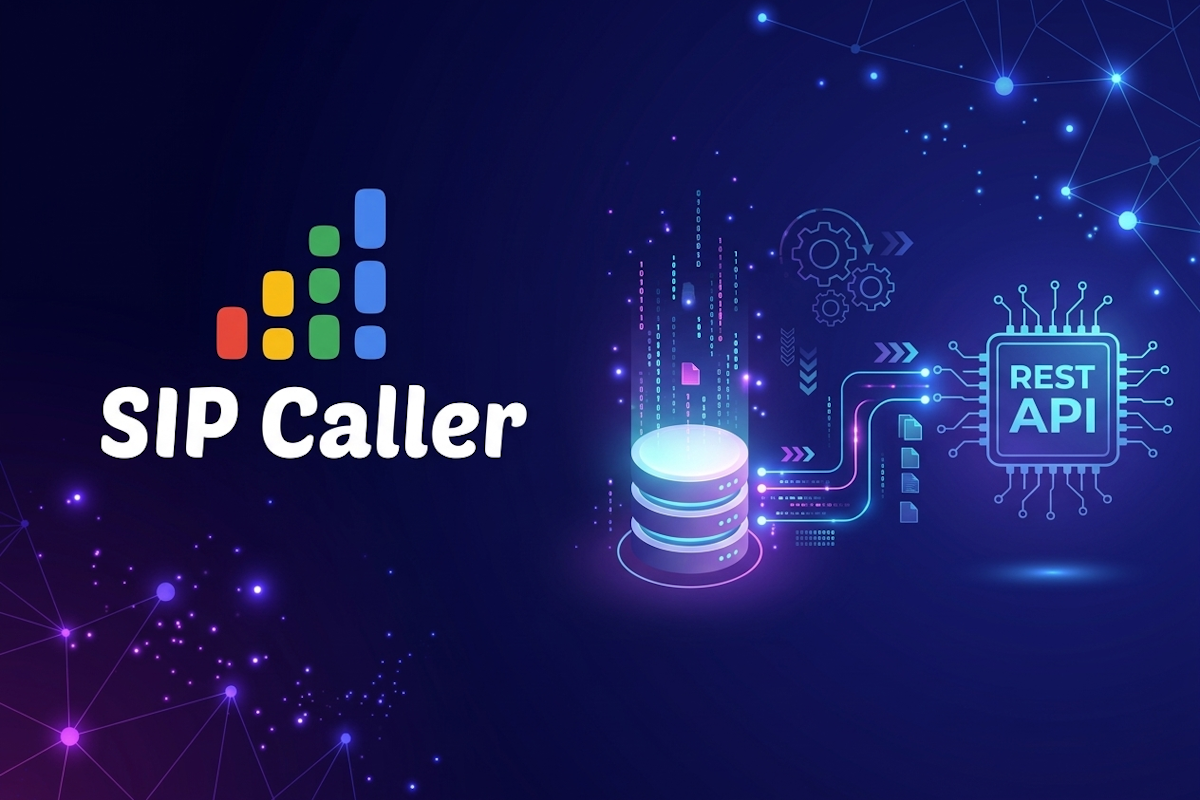
A step-by-step example of connecting SIP Caller with an external database. A short Python script reads tomorrow's appointments from a PostgreSQL table, creates a campaign from a template, loads the numbers with personalized variable values, and activates it through the REST API. A cron job then runs it every day, so your campaigns are fed without any manual work.

Manual dialing has a real cost, even if it never shows up as a single line item: wasted dialing time, wrong numbers, follow-ups that fall through the cracks, and the opportunities lost in between. We break down each of these cost drivers and walk through ROI calculation examples to show what automated dialing can actually save your team.

Government agencies are under constant pressure to communicate quickly, clearly, and efficiently with large populations. Whether it’s notifying citizens about road closures, coordinating emergency responses, reminding residents about appointments, or improving tax collection efforts, timely communication is critical. Traditional communication methods such as manual phone calls or printed notices are often too slow and resource-intensive. This is why many public organizations are adopting automated outbound dialing solutions like SIP Caller to streamline citizen outreach and improve response times. In this article, we explore how government agencies can use predictive and power dialers to improve public communication and citizen engagement.