Managing outbound campaigns has never been easier or more automated, thanks to SIP Caller’s webhook support. This powerful feature enables seamless integration with external systems, allowing users to automatically receive notifications about campaign and call events in real time. Let’s dive into how you can use webhooks to supercharge your outbound campaigns and streamline your workflow.
Webhooks are automated messages sent from one application to another whenever a specific event occurs. Instead of continuously polling for updates, webhooks notify your system the moment something happens—saving time and resources.
For example, SIP Caller’s webhooks can notify your CRM when a call ends, trigger an external workflow when a campaign starts, or log data when a campaign ends. The possibilities are endless!
Integrating webhooks into your campaigns provides several key advantages:
SIP Caller supports webhooks for a variety of events, including:
Getting started with webhooks is straightforward. Follow these steps:
Imagine you’re running a sales campaign and want your CRM to update customer records when calls are completed. Here’s how webhooks make this possible:
With SIP Caller’s webhooks, this entire process happens automatically, without any manual input.
SIP Caller’s webhook support empowers you to integrate and automate like never before. Whether you’re managing large-scale outbound campaigns or optimizing internal workflows, webhooks make it easy to stay connected and efficient.
Ready to get started? Log in to your SIP Caller account today and explore the new Webhooks feature! For detailed instructions, visit our Webhooks Documentation.
Transform the way you manage campaigns with SIP Caller’s webhooks. Start automating today and unlock the full potential of your outbound calling strategy!
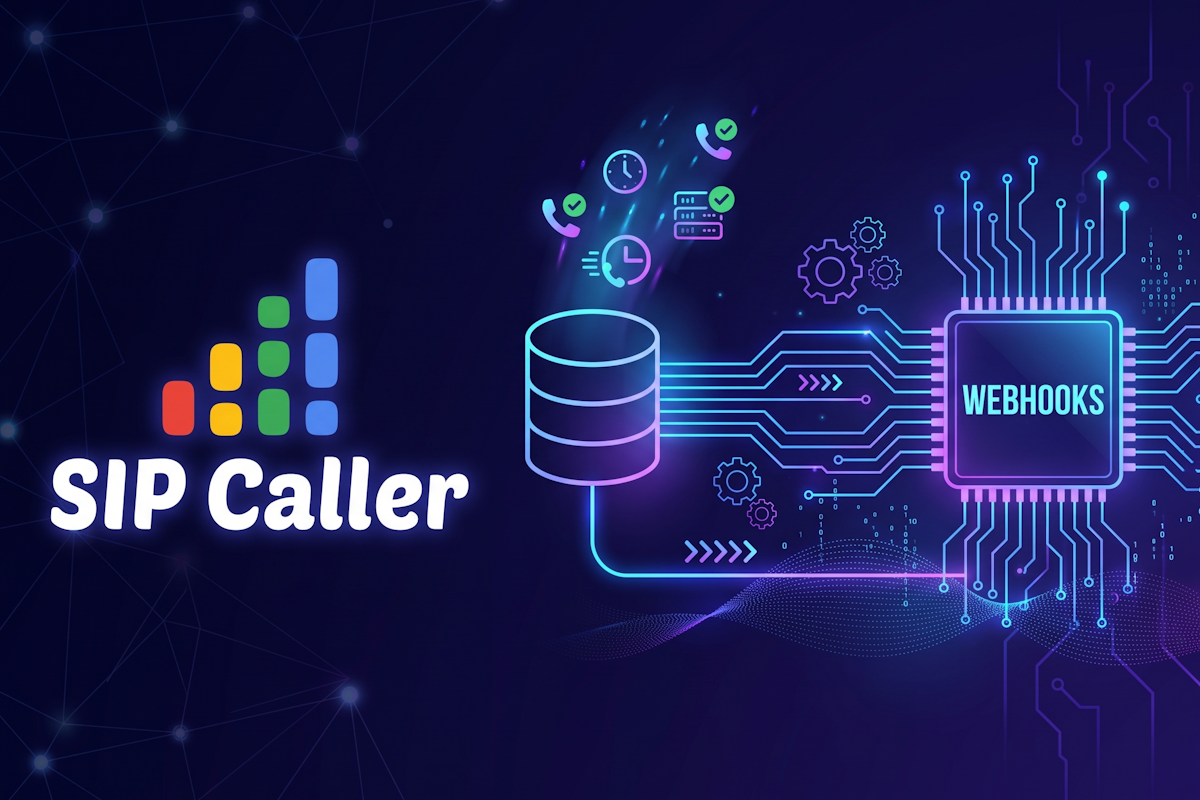
The second part of our integration series closes the loop. A small Python web service receives the Call Ended webhook that SIP Caller sends after every call, verifies its signature, works out whether the patient confirmed, asked to reschedule, or couldn't be reached, and saves the result back to the same database table. We also show how to run it as a service, expose it over HTTPS, and put the results to work.
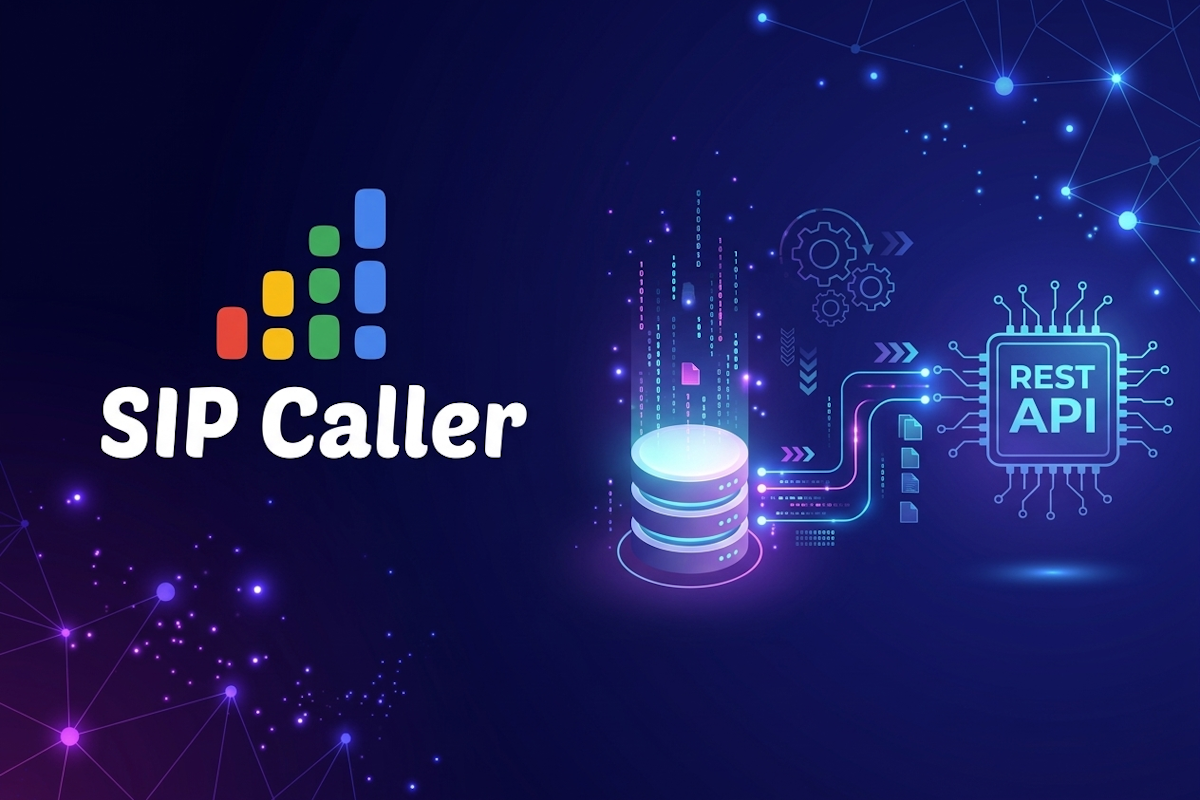
A step-by-step example of connecting SIP Caller with an external database. A short Python script reads tomorrow's appointments from a PostgreSQL table, creates a campaign from a template, loads the numbers with personalized variable values, and activates it through the REST API. A cron job then runs it every day, so your campaigns are fed without any manual work.

Manual dialing has a real cost, even if it never shows up as a single line item: wasted dialing time, wrong numbers, follow-ups that fall through the cracks, and the opportunities lost in between. We break down each of these cost drivers and walk through ROI calculation examples to show what automated dialing can actually save your team.