In outbound campaigns, every second counts. Providing agents with the right information at the right time can make a significant difference in productivity and customer satisfaction. SIP Caller’s latest feature for 3CX users takes efficiency to the next level: data passing during outbound calling campaigns. Let’s explore how this feature works, how to configure it, and the benefits it brings to your call center operations.
The data passing feature enables SIP Caller to transfer vital information to agents during predictive dialing campaigns. This can include:
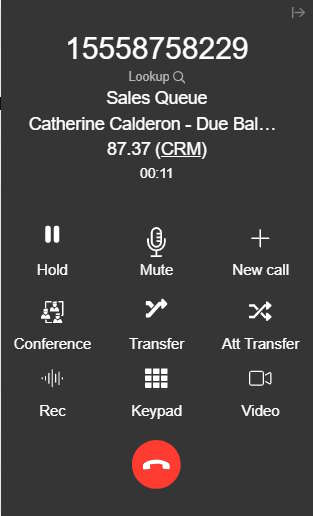 With this feature, agents no longer need to scramble for context or search for details during a call—everything is right at their fingertips.
Follow these steps to configure and use SIP Caller’s data passing feature with your 3CX Phone System:
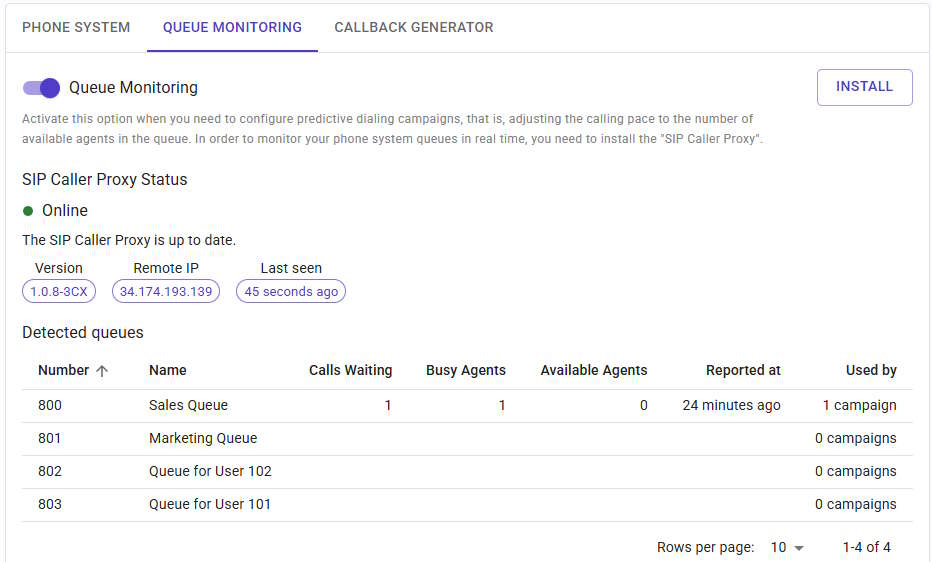
1. Install the SIP Caller Queues Monitor for 3CX
To use the data passing feature, you need to install the SIP Caller Queues Monitor. Here’s how:
 2. Configure Data Passing Settings
[CustomerName], [Deadline] or [WorkOrderID]).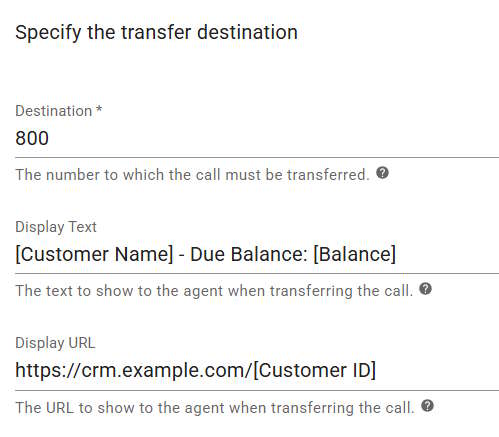 3. Create a Campaign
Imagine your call center is handling appointment rescheduling for a healthcare provider. Using SIP Caller’s data passing feature:
SIP Caller’s data passing feature for 3CX is a game-changer for outbound calling campaigns. By delivering key information directly to agents, you’ll improve efficiency, enhance customer interactions, and make your call center more effective than ever.
Ready to take your campaigns to the next level? Log in to your SIP Caller account today and start configuring data passing for your 3CX Phone System. For detailed setup instructions, check out our Documentation.
Empower your agents with the information they need, exactly when they need it. SIP Caller is here to help you make every call count!
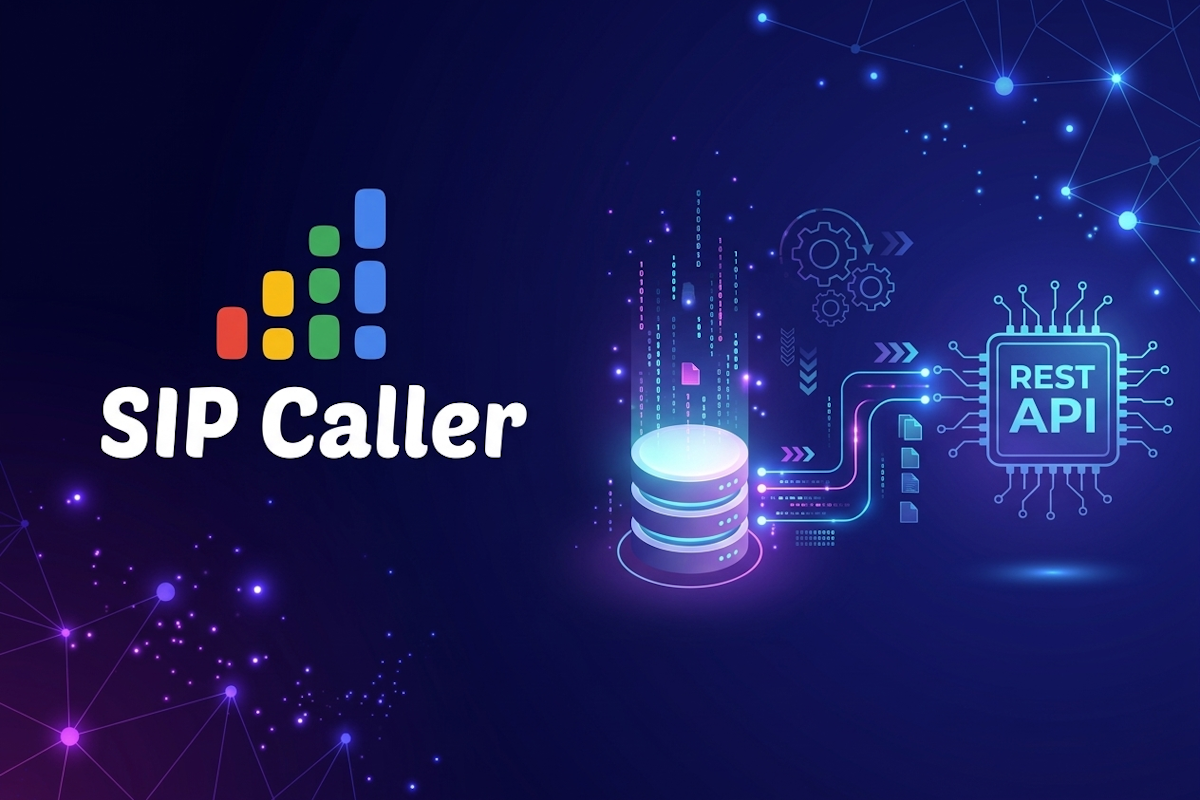
A step-by-step example of connecting SIP Caller with an external database. A short Python script reads tomorrow's appointments from a PostgreSQL table, creates a campaign from a template, loads the numbers with personalized variable values, and activates it through the REST API. A cron job then runs it every day, so your campaigns are fed without any manual work.

Manual dialing has a real cost, even if it never shows up as a single line item: wasted dialing time, wrong numbers, follow-ups that fall through the cracks, and the opportunities lost in between. We break down each of these cost drivers and walk through ROI calculation examples to show what automated dialing can actually save your team.

Government agencies are under constant pressure to communicate quickly, clearly, and efficiently with large populations. Whether it’s notifying citizens about road closures, coordinating emergency responses, reminding residents about appointments, or improving tax collection efforts, timely communication is critical. Traditional communication methods such as manual phone calls or printed notices are often too slow and resource-intensive. This is why many public organizations are adopting automated outbound dialing solutions like SIP Caller to streamline citizen outreach and improve response times. In this article, we explore how government agencies can use predictive and power dialers to improve public communication and citizen engagement.