At SIP Caller, we are great fans of 3CX. It’s a powerful phone system, and its Call Flow Designer (CFD) is an excellent tool for building custom callflows and automations. For many scenarios, CFD is the right choice.
However, when it comes to creating a fully functional outbound dialer, CFD alone quickly becomes a challenge. Let’s explore why—and how SIP Caller solves these gaps.
While CFD provides a component to start a call between two endpoints, that’s essentially where it stops. To build a real dialer on top of CFD, you’d have to implement everything else manually:
In short: while CFD is flexible for certain callflow automations, using it as the foundation for a dialer means reinventing the wheel and still lacking critical features.
| Feature | CFD-Based Dialer | SIP Caller |
|---|---|---|
| Campaign Management Console | ❌ None (must build manually) | ✅ Web-based UI for campaign creation & number uploads |
| Reports & Dashboards | ❌ Not available | ✅ Built-in reports and real-time dashboards |
| Persistent Operation | ❌ Stops if PBX restarts, must be re-triggered | ✅ Cloud-based, runs reliably even after restarts |
| Answering Machine Detection | ❌ Not supported | ✅ Advanced AMD, agents only get live calls |
| Dialing Strategy | ❌ Calls agent first, agent waits for customer | ✅ Calls customer first, agent joins only when answered |
| Ease of Use | ❌ Complex, requires development | ✅ Plug-and-play, designed for outbound campaigns |
SIP Caller was designed to solve exactly these problems, providing a ready-to-use dialer that integrates seamlessly with 3CX.
Here’s what you get out of the box:
3CX and its CFD are excellent tools for building callflows. But when it comes to powering a predictive or power dialer, CFD falls short.
Instead of struggling to build and maintain a makeshift solution, SIP Caller gives you a purpose-built dialer with all the features you need—ready to use, reliable, and fully compatible with 3CX.
👉 If you want to supercharge your 3CX call center with professional outbound campaigns, SIP Caller is the perfect fit.
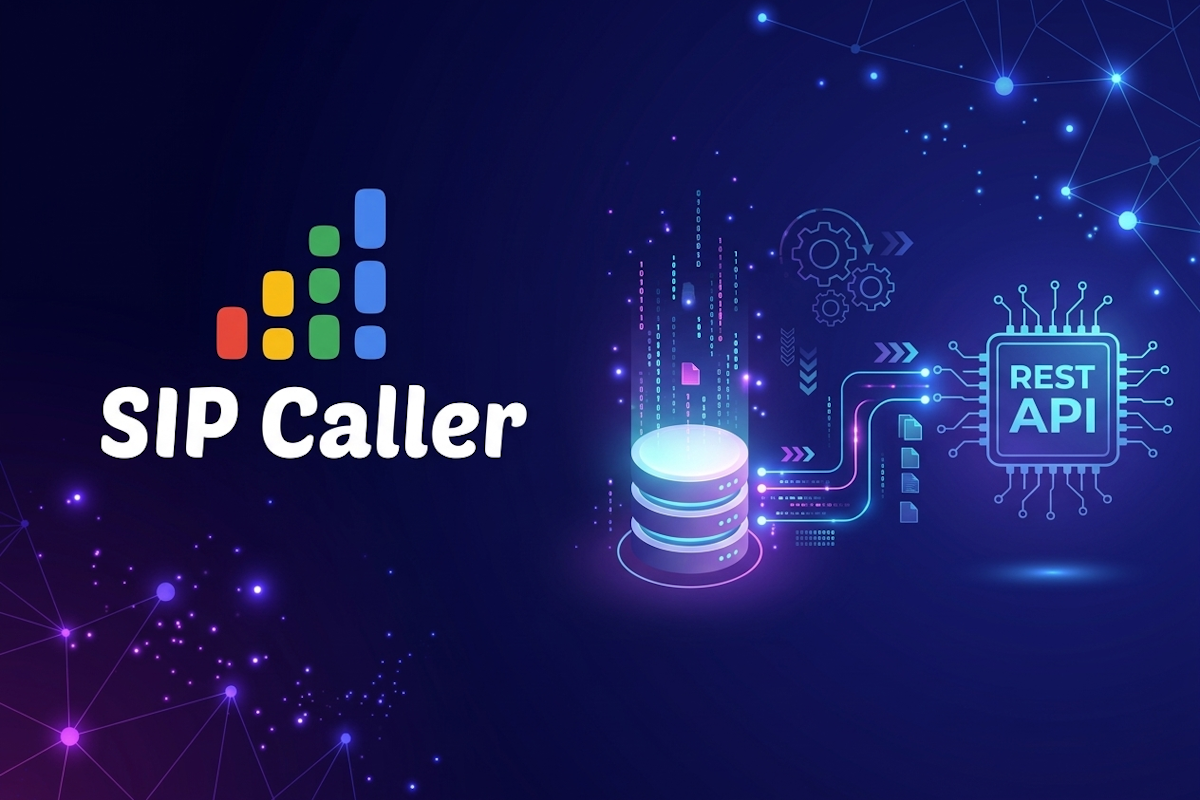
A step-by-step example of connecting SIP Caller with an external database. A short Python script reads tomorrow's appointments from a PostgreSQL table, creates a campaign from a template, loads the numbers with personalized variable values, and activates it through the REST API. A cron job then runs it every day, so your campaigns are fed without any manual work.

Manual dialing has a real cost, even if it never shows up as a single line item: wasted dialing time, wrong numbers, follow-ups that fall through the cracks, and the opportunities lost in between. We break down each of these cost drivers and walk through ROI calculation examples to show what automated dialing can actually save your team.

Government agencies are under constant pressure to communicate quickly, clearly, and efficiently with large populations. Whether it’s notifying citizens about road closures, coordinating emergency responses, reminding residents about appointments, or improving tax collection efforts, timely communication is critical. Traditional communication methods such as manual phone calls or printed notices are often too slow and resource-intensive. This is why many public organizations are adopting automated outbound dialing solutions like SIP Caller to streamline citizen outreach and improve response times. In this article, we explore how government agencies can use predictive and power dialers to improve public communication and citizen engagement.