In the financial services industry, delinquency is more than just a number. It directly impacts cash flow, operational efficiency, and customer relationships. Whether it’s missed loan payments, overdue credit cards, or pending installments, timely communication is key to reducing delinquency rates.
This is where dialer technology plays a critical role.
With solutions like SIP Caller, financial institutions can automate outreach, improve agent productivity, and ensure consistent follow-ups, ultimately increasing collection rates while maintaining a positive customer experience.
Manual calling processes are often:
As delinquency volumes grow, these limitations make it nearly impossible to maintain effective communication with all customers.
Dialers solve this problem by automating and optimizing outbound communication.
One of the most effective ways to reduce delinquency is to prevent it before it happens.
Using a power dialer, financial institutions can:
This ensures consistent outreach at scale without requiring agent involvement.
Example:
"Hello John, this is a reminder that your payment is due on March 25. Press 1 if you have already paid, or 2 to receive payment instructions."
When payments are already overdue, human interaction becomes more important.
A predictive dialer helps by:
This maximizes agent talk time and reduces idle time, allowing teams to handle more accounts efficiently.
Benefits:
Loan management requires continuous engagement beyond just collections.
Dialers can be used to:
This helps maintain a proactive relationship and reduces the risk of accounts slipping into delinquency.
A power dialer is best suited for:
How it works:
This approach is highly scalable and cost-effective.
A predictive dialer is designed for:
How it works:
This ensures agents spend more time talking to customers and less time waiting.
By combining automation and intelligent call distribution, dialers help financial institutions:
The result is a measurable reduction in delinquency rates and improved operational outcomes.
SIP Caller provides both power dialer and predictive dialer capabilities in a single, easy-to-use platform.
With features like:
You can scale your outreach while maintaining full control over your communication strategy.
Reducing delinquency doesn’t have to mean increasing operational complexity.
With the right dialer strategy, you can reach more customers, at the right time, with the right message.
👉 Start using SIP Caller today and transform your collections and customer engagement strategy.
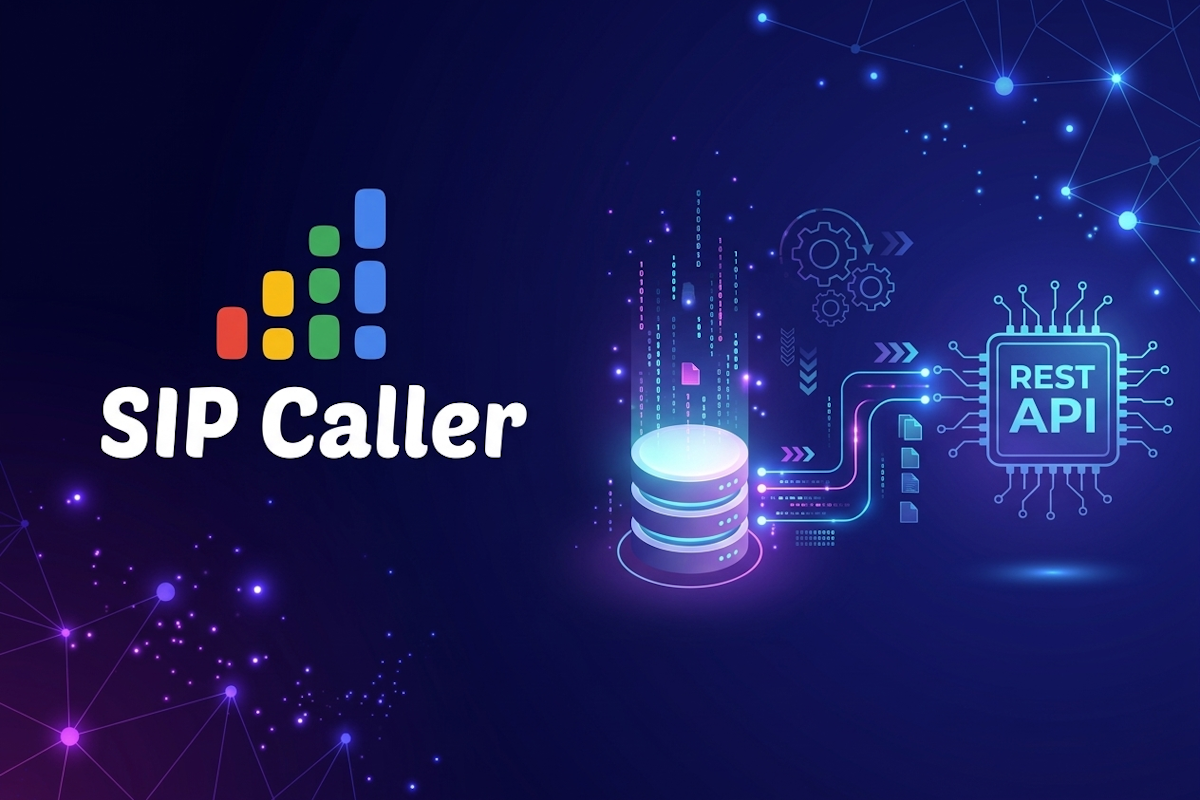
A step-by-step example of connecting SIP Caller with an external database. A short Python script reads tomorrow's appointments from a PostgreSQL table, creates a campaign from a template, loads the numbers with personalized variable values, and activates it through the REST API. A cron job then runs it every day, so your campaigns are fed without any manual work.

Manual dialing has a real cost, even if it never shows up as a single line item: wasted dialing time, wrong numbers, follow-ups that fall through the cracks, and the opportunities lost in between. We break down each of these cost drivers and walk through ROI calculation examples to show what automated dialing can actually save your team.

Government agencies are under constant pressure to communicate quickly, clearly, and efficiently with large populations. Whether it’s notifying citizens about road closures, coordinating emergency responses, reminding residents about appointments, or improving tax collection efforts, timely communication is critical. Traditional communication methods such as manual phone calls or printed notices are often too slow and resource-intensive. This is why many public organizations are adopting automated outbound dialing solutions like SIP Caller to streamline citizen outreach and improve response times. In this article, we explore how government agencies can use predictive and power dialers to improve public communication and citizen engagement.